
You pull up an old blog post for a laugh, toss it into ChatGPT, and ask it to rewrite it like your 2019 self. The result is brutal. The filler is thicker, the confidence is louder, and the phrasing sounds like a creator trying very hard to sound like a creator. It is funny. It is also useful.
That is the core value behind funny things to ask ChatGPT. For professional creators, joke prompts are not just entertainment. They are a fast way to pressure-test your archive, spot patterns you stopped seeing, and turn old material into fresh formats your audience will respond to.
Humor helps because it removes some of the ego from the review process. A parody prompt can reveal stale angles. A fake harsh critique can expose weak openings. A weird crossover idea can point to a new series format. What starts as play often ends as editorial planning, packaging, or audience research.
This works best when your past work is easy to review and compare. If you want a faster way to pull representative posts, scripts, and episode notes, a workflow built around AI for content creation makes that process much easier than digging through random folders.
The prompts in this list are funny on purpose. They are also practical on purpose. Used well, they help you get better hooks, sharper self-awareness, stronger callbacks, and more mileage from the content you already made.
1. Ask ChatGPT to Write in the Style of Your Oldest Content
This one is funny because it usually hurts a little.
Pull your earliest blog post, your first podcast intro, or the YouTube description you wrote before you knew what your channel was. Then ask ChatGPT to recreate a new piece in that old voice. You’ll usually get an exaggerated version of your former self. More filler. More trying too hard. More “thought leader” phrasing than you’d ever admit to now.
That’s useful. The joke lands because the contrast is real.

How to prompt it well
Don’t give ChatGPT one old paragraph and expect magic. Feed it samples from different points in your timeline. A podcaster can paste an early monologue, a mid-period outline, and a recent episode note. A blogger can compare an old how-to post against a newer opinion piece.
If you manage a growing archive, this gets easier when your material is organized. A platform built around historical content analysis, like AI for content creation workflows, makes it much faster to pull representative samples instead of manually digging through folders.
Practical rule: Don’t ask for imitation first. Ask for analysis first, then imitation. You’ll get a better read on what actually changed.
A few strong prompt angles:
- Voice mirror: “Analyze the tone, pacing, sentence length, and habits in these early pieces, then write a new intro in that style.”
- Growth test: “Compare my early style to my current style and exaggerate the old version for comedy.”
- Audience content: “Rewrite my latest topic as if I were still the creator I was in year one.”
This works well as a social post, too. Show your audience “2021 me” covering a topic you’d normally handle now. They’ll laugh, but they’ll also see your evolution. That’s not vanity content. It’s brand positioning.
2. Request ChatGPT to Identify Unused Content Themes from Your Archive
Most creators don’t have a content drought. They have a pattern blindness problem.
Ask ChatGPT to review your archive and roast you for the themes you keep repeating. Done right, this is one of the funniest things to ask ChatGPT because it exposes your comfort zones with uncomfortable accuracy. A business podcaster may discover they revisit quarterly tactics constantly but avoid long-horizon strategy. A wellness creator may realize every fifth post is really about productivity in disguise.
The joke works because repetition is obvious once somebody points it out.
Turn the roast into a roadmap
You don’t need a fancy setup to start. Give ChatGPT titles, descriptions, transcripts, or summaries. Then ask questions that force contrast instead of summary.
Use prompts like these:
- Gap finder: “List the themes I return to most, then identify strong adjacent themes I’ve barely touched.”
- Series builder: “Look at this archive and suggest three content series based on what’s missing.”
- Blind spot roast: “Roast this content library like a brutally honest editor who’s tired of my usual angles.”
When your archive is large, pre-sorting helps a lot. If you classify episodes, articles, and videos by topic before analysis, you’ll get sharper output. That’s where something like mining your content library for fresh ideas becomes practical, not theoretical.
The fastest way to find a fresh series is to ask AI where you’ve been boring on repeat.
There’s a real trade-off here. If your library is messy, ChatGPT will default to generic category labels. “Business,” “lifestyle,” and “marketing” won’t tell you much. Feed it episode-level or article-level detail and ask for neglected subtopics, not broad niches.
That’s how a joke prompt becomes programming strategy.
3. Challenge ChatGPT to Write Like Your Competitor Humorously
This is dangerous in a good way.
Ask ChatGPT to write a script, intro, or article opening as if one of your competitors made it. Keep it playful and respectful. The value isn’t mocking them. The value is seeing your niche’s habits reflected back at you. Suddenly you notice that one channel always opens with faux urgency, another leans on dense authority, and another packages everything as a “system.”
That makes your own differentiation clearer.
What to compare
Don’t focus on factual overlap. Focus on delivery. Tone, rhythm, framing, structure, and recurring devices matter more than topic.
A few examples:
- A tech YouTuber asks for a phone review “in the style of the polished benchmark guy,” then compares it with their own more narrative style.
- A newsletter writer asks for an intro “like the aggressive trend forecaster in my niche,” then sees how much their own voice depends on restraint.
- A fiction author asks for a scene inspired by a well-known genre voice and notices where their own dialogue is looser or sharper.
In practice, this works best when you ask for a side-by-side critique after the imitation. Have ChatGPT explain what makes the competitor style distinct, then what makes yours harder to replace. That second part matters most.
One caution. Don’t publish it in a way that feels petty. Frame it as niche literacy. Your audience likes seeing you understand the field, not snipe at peers.
4. Ask ChatGPT to Fact-Check Your Most Confident Statements from Old Content
Nothing is funnier than your past certainty.
Old “definitive” guides age badly. Podcast opinions harden into timestamps. Advice that sounded airtight three years ago may now read like a confident shrug. Asking ChatGPT to audit your old claims can be brutally funny, especially when you realize your boldest lines were the least future-proof.
For professional creators, this isn’t just entertainment. It’s maintenance.
Use humor to make corrections easier
Take your most-viewed or most-important pieces and ask ChatGPT to isolate the strongest factual claims, assumptions, and predictions. Then review each one manually before you change anything. AI can flag. You still verify.
That workflow matters. If you publish in health, finance, tech, education, or news-adjacent spaces, trust compounds when you visibly revisit old material. Readers don’t expect perfection. They do expect honesty.
A simple process:
- Extract claims: “List every factual or predictive statement in this transcript that may need review.”
- Rank by risk: “Which of these claims would matter most if outdated?”
- Prepare updates: “Draft a transparent correction note for the high-risk claims.”
If your team needs a stronger standard for evaluating information before republishing or revising old material, it helps to anchor your process in credible source practices.
Reality check: ChatGPT is useful for surfacing weak spots. It isn’t your final fact-checker.
The funny version of this prompt makes for strong audience content, too. “AI revisits my worst old takes” is the kind of self-aware segment people watch to the end.
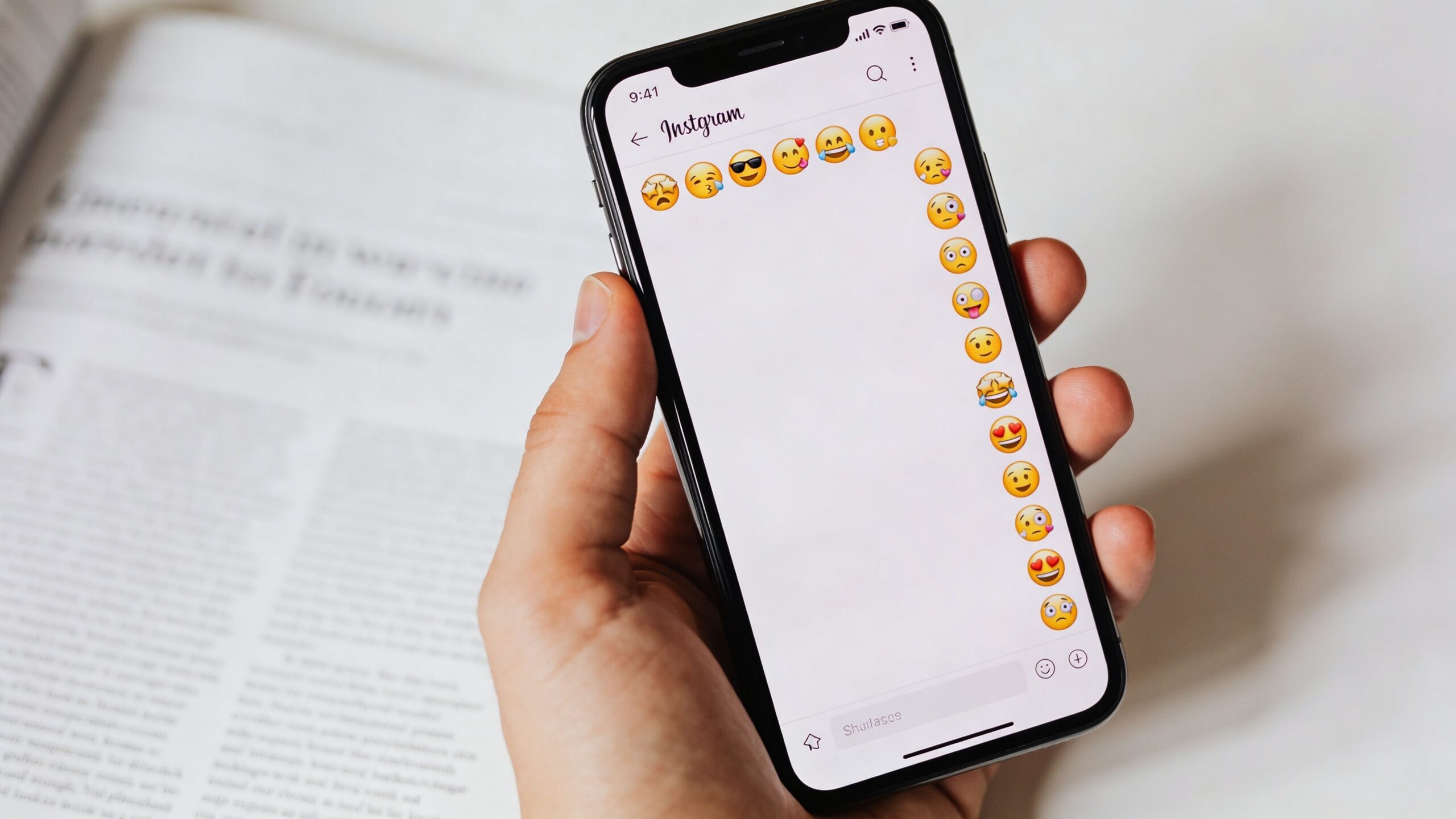
5. Request ChatGPT to Explain Your Content Using Only Emoji and Vague References
If your best work can’t survive compression, your message probably isn’t as clear as you think.
Ask ChatGPT to summarize an episode, article, or video using only emoji, fragments, and half-mysterious hints. The result is often ridiculous. It’s also revealing. If your audience can still identify the piece, your framing is strong. If every summary looks like “microphone, fire, brain, coffee, chart,” you may have a branding blur problem.
That’s why this isn’t just novelty.
Best use cases for creators
This format is ideal for low-lift engagement. A podcaster can turn episode archives into “guess the episode” stories. A publisher can tease old articles with cryptic recaps. A YouTuber can post emoji-only clues before a re-release, sequel, or remix.
Try prompts like:
- Minimal recap: “Summarize this episode using only emoji and vague references.”
- Social game: “Create five emoji clues that let fans guess which piece of content this is.”
- Clarity test: “Reduce this article to its most memorable symbols and ideas.”
This also doubles as a messaging audit. If ChatGPT struggles to compress your piece into distinct signals, your title, premise, or payoff may be too generic. That doesn’t mean the content is weak. It means the packaging needs work.
The trade-off is obvious. Funny compression favors content with strong hooks, clear conflict, or a memorable bit. Dense educational content can get flattened fast. That’s not failure. It’s feedback on what your audience can recall at a glance.
6. Challenge ChatGPT to Write a Parody Version of Your Most Popular Content
Parody exposes your formula faster than analysis does.
Take your biggest hit and ask ChatGPT to exaggerate it. If you run a business podcast, have it write your “ultimate system for waking up at 4:01 a.m. and monetizing your toothbrush.” If you review tech, ask for a dramatic teardown of a stapler like it’s a flagship device. If you publish self-improvement essays, push it into absurd motivational prophecy.
When the parody lands, you learn what your audience already associates with you.

Where parody helps most
Parody is strongest when your format is already recognizable. If your audience knows your recurring opening line, your pacing, your favorite examples, or your signature structure, the exaggeration becomes instantly legible.
Use it to create:
- Bonus episodes: A fake version of your flagship series.
- Short clips: A one-minute “what my content sounds like to non-fans” sketch.
- Internal brand notes: A fast way to teach new collaborators the difference between your real tone and your overcooked tone.
ChatGPT’s humor comes from generating statistically likely word sequences rather than understanding comedy the way humans do, which is why dead-serious commitment to absurd framing often produces the funniest results, as described in this guide to funny things to ask ChatGPT.
That’s also the limitation. AI parody often overplays the obvious joke and misses your subtler strengths. You’ll usually need to edit the output so it feels like your world, not just generic internet sarcasm.
7. Ask ChatGPT to Predict What Your Next Content Would Be Based on Patterns
This prompt is half fortune teller, half operations audit.
Give ChatGPT your recent titles, themes, publishing cadence, recurring guests, or series names and ask what you’re likely to publish next. If the answer feels eerily accurate, your content engine may be more predictable than you realized. If the answer is wildly off, you may have more range than your audience gives you credit for.
Either outcome is useful.
Use prediction as a strategy mirror
A news podcaster may discover they cycle through the same angles every quarter. A creator in lifestyle media may realize seasonal themes dominate their schedule. A screenwriter sharing writing advice may notice they always follow craft posts with career posts, then mindset posts.
That pattern recognition can become editorial planning.
Try these prompts:
- Near-term prediction: “Based on these last 20 pieces, predict my next three topics.”
- Format prediction: “What content format am I most likely to publish next, and why?”
- Audience shock test: “What should I publish next if I want to break my current pattern without alienating my audience?”
One underused trick is to make this interactive with your followers. Post ChatGPT’s prediction, then either fulfill it or deliberately break it. If you break it, explain why. That creates a strong behind-the-scenes narrative around your editorial choices.
This is one of the better funny things to ask ChatGPT when you feel creatively stuck, because it shows whether you need novelty or discipline.
8. Request ChatGPT to Rate Your Content Like a Harsh YouTube Commenter
This one stings, but it works.
Ask ChatGPT to critique your channel, newsletter, show, or article archive in the voice of a savage commenter who’s somehow annoyingly perceptive. You’ll get some nonsense, some overkill, and occasionally a line that cuts straight to the actual issue. Maybe your intros are slow. Maybe your titles oversell. Maybe your audio feels too polished for the intimacy you want.
Humor lowers your defenses enough to hear the critique.
How to keep the roast useful
Don’t ask for random insults. Ask for specific complaints tied to actual content patterns. Better prompts produce better roasts.
Examples:
- Editing roast: “Review these video descriptions and roast my channel like a viewer who’s tired of my pacing.”
- Host persona roast: “Critique my podcast voice as if you’re an impatient subscriber who still keeps listening.”
- Brand roast: “Mock the gap between my positioning and my actual execution.”
A good roast doesn’t just insult you. It points at a pattern you’ve normalized.
The trade-off is obvious. If your archive is thin or your metadata is weak, ChatGPT will default to generic creator complaints. “Too many ads,” “bad thumbnails,” “boring hook.” Useful, but shallow. Feed it transcripts, titles, comments, and descriptions if you want critiques with teeth.
For creators moving from hobbyist mode to operator mode, this is often the easiest way to turn vague discomfort into concrete edits.
9. Challenge ChatGPT to Find the Weirdest Pattern in Your Content Archive
Every archive has a ghost in it.
You probably repeat some image, phrase, metaphor, or obsession without noticing. Ask ChatGPT to hunt for the strangest recurring pattern in your content. Not the main topic. The odd one. The phrase you use too often. The niche example that keeps returning. The accidental motif that subtly became part of your voice.
That’s where a lot of good brand material hides.

Make the weird useful
A business writer may discover they explain everything with sports metaphors. A podcaster may notice they keep returning to the same decade, city, or cautionary tale. A creator with a big YouTube archive may learn that their most memorable videos all share one visual quirk or setup pattern.
That can lead in two directions:
- Lean in: Turn the pattern into an intentional recurring bit.
- Break it: Remove it when it’s making your work feel stale.
This kind of pattern search becomes stronger when your archive is organized across formats, not just trapped in separate folders. The archival angle matters because broad prompt libraries have already become part of creator culture, with guides collecting 80+ funny ChatGPT prompts for comedic experimentation. The deeper move is applying that playfulness to your own history instead of generic one-off jokes.
Ask for weirdness at different levels. Phrase habits. Structural habits. Story habits. Visual habits. The first weird pattern is rarely the most valuable one.
10. Ask ChatGPT to Write a Crossover Episode with Your Imagined Nemesis
This is one of the most reliable funny things to ask ChatGPT if your audience already knows your world.
Your “nemesis” doesn’t need to be a real enemy. It can be the opposite type of creator in your niche, the worldview you keep arguing against, or a running joke your audience understands immediately. Then you ask ChatGPT to script the crossover. Suddenly your minimalism channel is debating a maximalist productivity goblin. Your practical marketing show is trapped in a fake roundtable with a vanity metrics addict.
That’s comedy with positioning built in.
Why crossover fiction works
It forces contrast. Contrast creates both humor and clarity.
A few strong formats:
- Podcast bit: A satirical debate between your show and its opposite.
- Newsletter opener: A fictional exchange with the creator archetype you resist.
- Video sketch: A fake collab where both “brands” keep misunderstanding the same topic.
One promising angle that still feels underused is cultural adaptation. Many English-language prompt lists stay stuck in Western internet humor, even though broader interest in ChatGPT is global and creators increasingly need localized comedy formats, as discussed in this article on the best things to ask ChatGPT. If you create for multilingual or international audiences, your imagined nemesis can be localized too. Different tone. Different references. Different comic rhythm.
Creative constraint: Make the nemesis believable enough that the audience recognizes the type, but fictional enough that nobody thinks you’re starting a real feud.
Done well, this becomes more than a gag. It’s a way to test collaboration ideas, audience overlap, and new recurring characters without risking a full production commitment.
10 Funny ChatGPT Prompts Compared
A good funny prompt should do two jobs at once. It should entertain you enough to spark a reaction, and it should give you something usable for planning, editing, or audience engagement.
That’s what separates a throwaway joke from a creator tool.
| Prompt | Implementation complexity | Resource requirements | Expected outcomes | Ideal use cases | Key advantages |
|---|---|---|---|---|---|
| Ask ChatGPT to Write in the Style of Your Oldest Content | Low to medium | Old posts, scripts, or transcripts, plus a clear prompt | Voice comparisons, nostalgia, reusable clips | Anniversary posts, brand retrospectives, style audits | Shows how your voice changed and gives you highly shareable material |
| Request ChatGPT to Identify Unused Content Themes from Your Archive | Medium | A well-organized archive, tags, categories, or episode notes | Topic gaps, fresh angles, series ideas | Editorial planning, repurposing, audience growth | Finds missed opportunities hiding in past work |
| Challenge ChatGPT to Write Like Your Competitor Humorously | Medium | Competitor samples and tight instructions on tone | Differentiation insights, parody drafts, positioning ideas | Brand workshops, social content, team brainstorms | Makes your point of view easier to see by exaggerating the contrast |
| Ask ChatGPT to Fact-Check Your Most Confident Statements from Old Content | Medium to high | Older content, source material, and a review process | Outdated claims, correction opportunities, update ideas | Content refreshes, trust repair, evergreen maintenance | Protects credibility and turns old material into stronger revised content |
| Request ChatGPT to Explain Your Content Using Only Emoji and Vague References | Low | A shortlist of your best-known content | Compressed summaries, audience games, meme-friendly posts | Social engagement, recap formats, community polls | Tests how memorable your ideas really are |
| Challenge ChatGPT to Write a Parody Version of Your Most Popular Content | Low to medium | Signature pieces and light editing | Parody drafts, promo angles, callback jokes | Bonus content, launches, audience retention | Turns proven material into something fresh without starting from zero |
| Ask ChatGPT to Predict What Your Next Content Would Be Based on Patterns | Medium | Content categories, publishing history, and audience context | Pattern spotting, future topic ideas, predictability checks | Planning sessions, format testing, creative resets | Helps you see whether your next move feels on-brand or too obvious |
| Request ChatGPT to Rate Your Content Like a Harsh YouTube Commenter | Low to medium | Representative samples and clear tone limits | Brutal but useful feedback, punchy rewrites, hook fixes | Team reviews, community bits, headline testing | Makes criticism easier to hear because the format is funny |
| Challenge ChatGPT to Find the Weirdest Pattern in Your Content Archive | Medium to high | A complete archive, metadata, and simple pattern checks | Odd habits, recurring quirks, behind-the-scenes insights | Creator commentary, archive analysis, format development | Surfaces patterns you can turn into jokes, fixes, or recurring segments |
| Ask ChatGPT to Write a Crossover Episode with Your Imagined Nemesis | Low to medium | A clear character brief and editorial review | Fictional debates, recurring characters, audience experiments | Sketches, newsletter intros, podcast bits | Creates strong contrast and tests new audience-facing ideas fast |
Use the low-complexity prompts when you need fast content this week. Use the medium and high-complexity prompts when you want sharper strategy from the same archive.
That’s why this list works best as a comparison, not just a joke menu. The funny version gets attention. The smart version gives creators new formats, clearer positioning, and better ways to mine old work for the next strong idea.
Turn Your Content History Into Your Next Hit
A creator pulls up an old transcript for a quick laugh, asks ChatGPT to roast it, and ends up spotting the next series idea in ten minutes.
That is the core value here. Funny prompts are not just entertainment. They are pressure tests for your archive. Parody, exaggeration, roleplay, and forced constraints expose patterns that stay hidden when you reread old work in a serious editing mode. You see which jokes your audience would recognize instantly, which opinions you repeat too often, which formats still have range, and which old pieces deserve a second life as shorts, posts, bonus segments, or newsletter hooks.
Creators with large back catalogs rarely have an idea shortage. They have a retrieval problem. Good playful prompts solve that by making old material easier to sort, compare, and remix. The wider adoption of ChatGPT helps explain why this style of prompting spread so fast, as Reuters reported when covering its early growth to 100 million users in record time: Reuters on ChatGPT's rapid adoption. The useful part, though, is not popularity. It is structure.
Use humor on purpose. Run these prompts against transcripts, episode notes, article archives, and abandoned drafts. Compare the outputs by year, format, or topic. Save the results that reveal a repeatable angle. A parody might expose a headline formula you have worn out. A fake harsh comment might surface a weak intro style. An emoji summary might show that one theme is memorable enough to become a recurring audience game.
The business case is straightforward. Archives get more valuable when they are organized well enough for AI to work across them without confusion. A system like Contesimal helps turn scattered recordings, notes, transcripts, and drafts into usable source material. That gives creators a practical path from old content to new concepts, sharper packaging, and more output from work they already paid to make.
The same principle shows up in team environments. A good strategic B2B AI guide makes a similar point from a marketing angle. AI performs better when it works from accumulated knowledge, clear assets, and a defined body of material, not just one clever prompt typed into a blank box.
Treat your archive like inventory. Funny questions help you find the pieces worth selling again.