
Your Next Hit Video Might Already Be in Your Content Library
You've finished the track, everyone's excited, and then the same question lands in the room. What are we doing for the music video? That's usually where creators start pricing locations, texting favors to friends, and sketching ideas that sound cool but collapse the second the budget gets real.
A better starting point is your existing material. Old shoot footage, phone clips, voice notes, BTS moments, livestream recordings, artwork drafts, podcast snippets, rehearsal files, even abandoned edits can all become part of a stronger concept than something invented from scratch at the last minute. For creators moving from hobbyist to professional, smarter production usually beats bigger production.
That shift matters because music videos aren't just promo extras anymore. They sit inside a release system that includes teasers, lyric assets, social cutdowns, and rollout timing. Industry guidance around release strategy now explicitly recommends teasing the video, aligning supporting content around it, and using audience data to help choose the song before producing the visual, while the global recorded music market reached $29.6 billion in 2024. The opportunity is obvious. Your video idea has to work as both art and distribution.
The strongest ideas for a music video usually have one clear hook, one practical production path, and several ways to keep paying off after release. Here are 10 that do exactly that.
1. Archive-Driven Narrative Video
Some of the best music videos are already half-shot before you plan them. If you've been creating for a while, you probably have years of usable material sitting in folders with terrible names.
An archive-driven narrative turns that mess into story. Childhood clips, tour footage, rehearsal moments, old interviews, draft visuals, backstage scraps, and phone videos can all be stitched into a video that feels personal without requiring a giant production day. This format works especially well for reflective songs, comeback singles, anniversary releases, and tracks about growth, distance, regret, or identity.
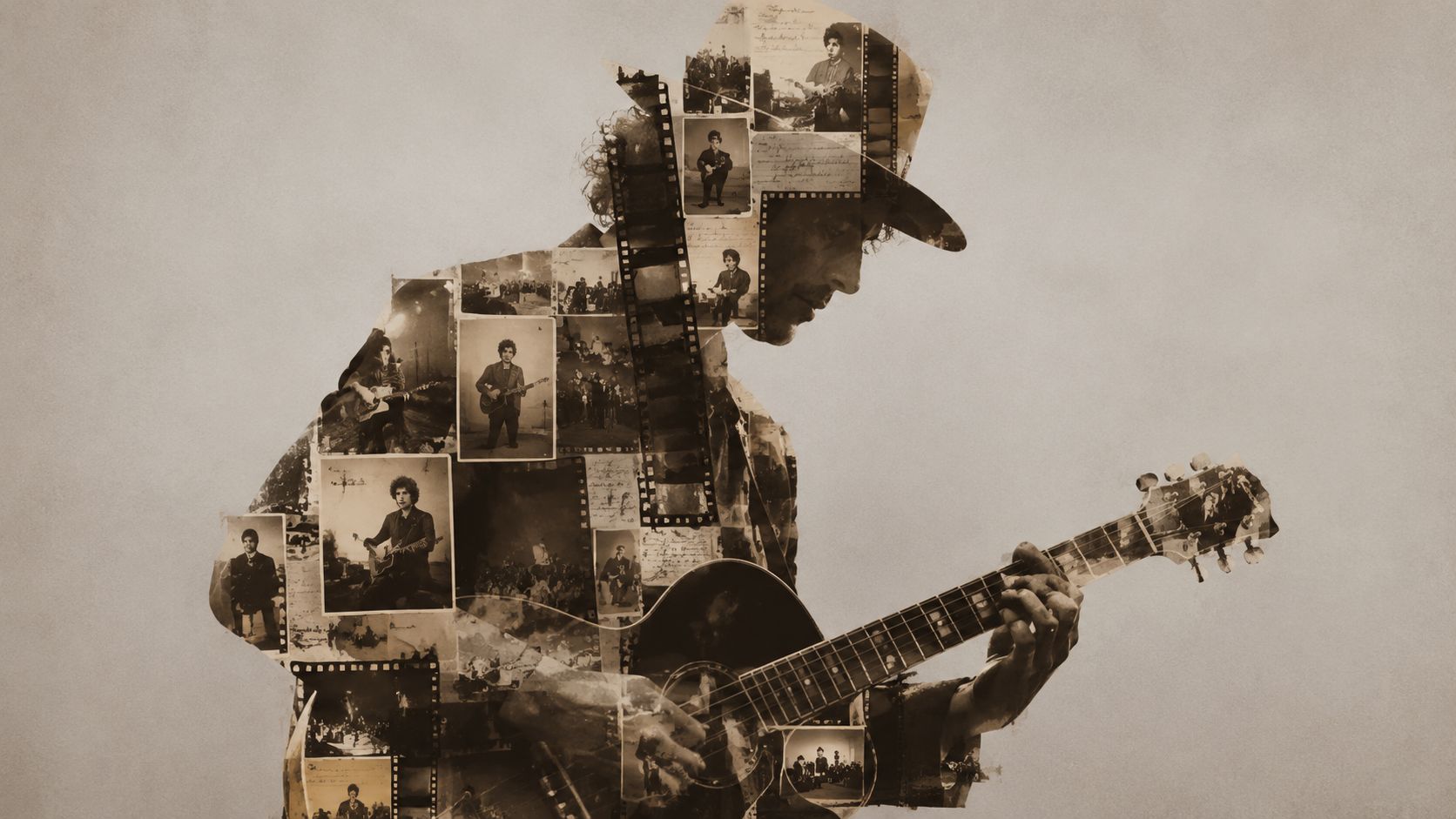
Taylor Swift's “All Too Well” pushed a memory-based visual language into the mainstream. The Beatles' “Now and Then” also showed how archival framing can carry emotional weight even when the footage itself wasn't originally captured for a polished music-video release.
Make the footage feel intentional
The mistake is dumping old clips into a timeline and calling it nostalgia. That usually feels random. You need a shape.
Start with one through-line:
- Time progression: Childhood to present day
- Relationship progression: Meeting, strain, separation, aftermath
- Creative progression: Bedroom demos to stage performances
- Place progression: One city, one studio, one era
Then unify the footage with simple finishing moves. Color grade aggressively. Add recurring text treatments. Use a consistent crop strategy. If one section is especially rough, pair it with fresh B-roll so the whole piece doesn't feel like a backup-drive montage.
Practical rule: If a clip is only meaningful to you, it probably shouldn't make the final cut unless the edit gives the audience context in under a few seconds.
This approach is especially useful when your content library is broad but disorganized. Once your footage is tagged by era, mood, people, and setting, story options open up fast.
2. AI-Generated Lyrical Visualization
If the lyrics are image-heavy, you don't need a literal storyline. You need a visual system.
An AI-assisted lyrical visualization takes key metaphors, emotional shifts, and repeated phrases from the song, then turns them into animated, composited, or stylized visual motifs. The trick is not letting the software become the director. AI is best at generating options, references, textures, motion concepts, and variations. You still decide what belongs.
This works well for artists with strong written language but limited production access. A line about static, oceans, surveillance, memory, or fire can become a repeatable image family instead of a literal scene you'd have to build physically.
Keep the machine on a leash
The weak version looks like a prompt experiment. The strong version feels authored.
Use AI for:
- Style exploration: Testing several visual directions before committing
- Motif generation: Building recurring symbols tied to lyric themes
- Texture layers: Creating overlays, backgrounds, or transitions
- Previs: Mocking sequences before you spend time shooting
Then lock a style guide. Pick your palette, lens feel, typography, pacing, and level of surrealism before full production. If you're comparing tools, this roundup of AI tools for content creators is a useful place to start.
A practical breakdown of sequencing and prompting also helps. This music video AI workflow guide is worth reviewing before you build your shot plan.
Later in the process, reference clips like this can help you evaluate whether the visuals are syncing with the song's emotional rhythm rather than just moving a lot.
AI visuals fail when every shot tries to impress. Leave room for repetition. Repetition is what makes a motif feel musical.
3. Multi-Format Remix Video Series
A single “main video” is rarely enough now. The smarter move is building one visual idea that can survive in several forms.
That matters because a lot of discovery now happens in vertical, social-first environments rather than only through a traditional horizontal upload. Advice in this area often lags behind platform behavior, even though TikTok has reported over 1 billion monthly active users and YouTube Shorts reached 70 billion daily views in 2024. If your concept only works at full length in 16:9, it's weaker than you think.
A multi-format remix video series starts with one core visual premise, then deliberately produces several versions:
- Full horizontal cut for YouTube
- Vertical performance cut for Reels, TikTok, Shorts
- Teaser loop with a strong first image
- Lyric fragment edit for captions-on viewing
- BTS or commentary variant for retention after launch
Design for cropping before you shoot
Don't “adapt later” if the plan is multi-platform. Frame for center safety. Keep key action clear in vertical. Build scenes that loop cleanly. Use gestures and movement that read instantly on a phone screen.
For creators managing multiple versions from one shoot, a strong content repurposing strategy makes the difference between a coherent campaign and a folder full of exports no one posts.
The trade-off is creative purity. Some directors hate planning for cutdowns because it feels like compromise. In practice, it's just contemporary craft. If the same idea can tell a complete story in full length and still hook someone in seconds on mobile, you've built a durable concept.
4. Interactive Choose-Your-Own-Adventure Video
Most music videos ask for passive attention. An interactive video asks for decisions.
That format fits songs about conflict, temptation, memory, alternate futures, or split identity. The viewer chooses a door, a text reply, a route home, a performance setting, a confrontation, or a character perspective, and the video branches from there. Done well, it gives the song replay value without feeling gimmicky.
Arcade Fire pushed interactive thinking into music-video culture years ago, and the influence is still useful. The lesson wasn't “add tech.” It was “make the interaction part of the meaning.”
Keep the branching simple
Creators usually overbuild this idea. They write too many paths, shoot too many endings, and spread the budget thin.
A better setup looks like this:
- One central conflict
- Two or three decision points
- A shared visual language across all paths
- One branch that reveals a deeper emotional layer
If one branch gets all the good shots and the others feel like leftovers, viewers notice. Every route has to feel deliberate. Production design, costume logic, and continuity matter more here than in a normal performance edit because people are actively comparing outcomes.
Working rule: Don't branch the story unless each branch changes the audience's understanding of the song.
You can execute this natively on certain platforms, simulate it through linked edits, or turn it into a campaign where the audience votes on what version comes next. The exact mechanism matters less than the feeling of agency.
5. Behind-the-Scenes Documentary Hybrid
A polished performance video can look expensive and still feel empty. A documentary hybrid fixes that by letting the process become part of the emotion.
This approach mixes staged footage with rehearsal audio, loading-in moments, makeup touch-ups, production stress, accidental laughter, voice memo fragments, or short interview bites. It's useful when the story of making the song is as compelling as the song itself.
Beyoncé's larger visual projects helped normalize that blend of mythmaking and process. The key is that the BTS material isn't filler. It reveals vulnerability, effort, or context.
Don't shoot BTS like an afterthought
Bad BTS kills this format. If someone grabs random vertical phone clips with no audio awareness, no frame discipline, and no thematic purpose, you don't have documentary texture. You have clutter.
Capture behind-the-scenes footage with intention:
- Follow emotional beats: exhaustion, conflict, relief, focus
- Track recurring details: hands, mirrors, cables, notes, costume changes
- Record useful sync audio: short remarks, laughter, instruction, silence
- Match the visual world: even rough footage should feel related to the main piece
This format also gives you a longer shelf life after release. A music video can launch the song, and the documentary fragments can keep the campaign active without forcing you to invent totally new content.
The strongest BTS moments usually happen right before or right after the “official” take, when people stop performing competence and start showing reality.
6. Data Visualization Music Video
This idea sounds cold on paper and can be surprisingly emotional on screen.
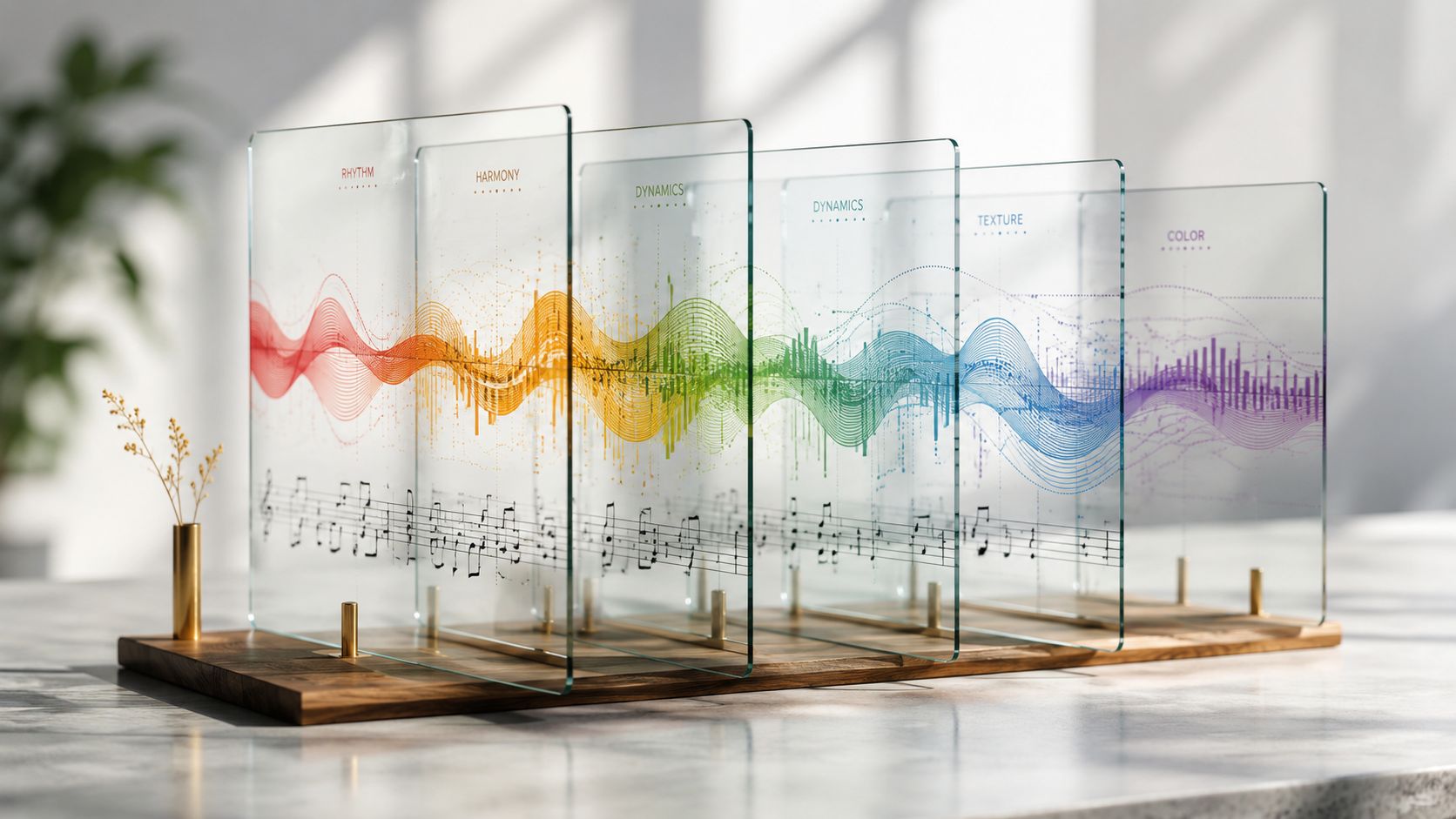
A data visualization music video turns patterns into image. Fan comments, listening habits, touring routes, archive tags, lyric repetition, pulse-like waveform movement, chaptered memories, or even publishing history can become motion graphics, reactive typography, generative forms, or animated environments.
The larger production context matters here. The global music video production market was valued at $9.4 billion in 2025 and is projected to reach $18.7 billion by 2034, with a 7.9% CAGR. The same analysis says affordable 4K and 8K cameras, LED volume stages, AI-driven post-production software, AI-assisted concept generation, and cloud production tools are compressing timelines and reducing costs. That makes technically ambitious visual systems more accessible than they used to be.
Make the information legible, not academic
The trap is overexplaining. The audience doesn't need a dashboard. They need form, rhythm, and clarity.
Useful directions include:
- Lyric maps: repeated words trigger recurring visual events
- Audience maps: submissions or comments create moving text fields
- Catalog maps: old songs, themes, or visuals become a networked animation
- Performance data as texture: not the subject, but part of the design
If you use data, choose one emotional purpose for it. Maybe it shows obsession. Maybe it shows scale. Maybe it shows fragmentation. Once that's clear, the design choices get easier.
This format works especially well for artists who already think in systems, archives, categories, or world-building.
7. Collaborative Fan-Generated Content Video
If your audience is active, stop treating them like a distribution channel only. They can be part of the actual piece.
A fan-generated music video can be built from dance clips, reaction footage, city snapshots, handwritten lyric interpretations, visual remakes, costume tributes, lip-sync submissions, or one repeated action performed by different people. The best version doesn't feel like random UGC stitched together. It feels curated.
John Legend and many other artists used remote collaboration aesthetics effectively when traditional production was limited. The broader lesson still holds. Participation can be a visual concept, not just a marketing add-on.
Curate harder than you think
Community-built videos succeed when the prompt is clear. “Send us anything inspired by the song” is too broad. “Film yourself at dawn holding one object you associate with home” gives people something cinematic to respond to.
Set submission rules early:
- Frame shape and orientation
- Clip length
- Wardrobe or color guidance
- Whether direct lip-sync is allowed
- Rights and release language
Then sort entries by emotional tone, not just by quality. A slightly imperfect clip with real feeling often plays better than a technically cleaner one that says nothing.
Audience participation is most valuable when it expands the song's world, not when it simply proves people listened.
This concept also creates side assets automatically. Submission calls, finalist reels, fan spotlights, and reaction edits can all extend the release window.
8. Podcast Audio Documentary Video Companion
Some songs come with a story too rich to leave outside the frame. If you already make podcast episodes, interviews, commentary tracks, or audio essays, turn that material into the spine of the video.
This format pairs the song with voice-led context. Maybe the artist explains where the hook came from. Maybe collaborators describe the session. Maybe a narrator ties the song to a larger theme in the catalog. The visuals then support the audio through archive clips, restrained performance shots, documents, photos, text, and environmental footage.
This works especially well for creators who already produce spoken-word content and want stronger crossover between formats.
Let the audio carry the weight
The common mistake is trying to make this both a full documentary and a full conventional music video. It usually ends up satisfying neither side.
Keep the visuals supportive:
- Use captions from the start
- Cut to artifacts, not just faces
- Hold shots longer than you would in a hype edit
- Reserve the most cinematic material for musical peaks
The advantage here is efficiency. One body of research, one interview batch, one archive pass can generate a podcast episode, a companion video, social clips, and quote assets. If your content library already includes voice recordings and interviews, this format is one of the cleanest ways to realize value from material you already own.
9. Location-Specific City-Series Video
One song, several places. Same emotional core, different local texture.
A city-series approach films multiple versions of the song across different neighborhoods, cities, or regions. Each cut reflects local architecture, movement, weather, fashion, transit, signage, and community presence. Instead of one “official” video, you build a series that keeps the track alive through regional interpretation.
This is especially strong for touring artists, travel-heavy creators, and brands with distributed audiences. It also creates a built-in narrative for release pacing because each version can arrive with its own local push.
Consistency matters more than novelty
Without a strong visual bible, this becomes a travel reel. The locations are supposed to change. The idea shouldn't.
Lock these before the first shoot:
- Performance rules: handheld, locked-off, walk-and-sing, direct-to-camera
- Color philosophy: warm, desaturated, neon, monochrome accents
- Shot families: transit shots, rooftop wides, storefront mediums, crowd inserts
- One recurring prop or gesture
Partnering with local creators helps here. They know what's overused, what feels authentic, and what requires permission. That saves you from making every city look like a postcard.
The bonus is franchise potential. Once audiences understand the format, future songs can inherit the same structure and become easier to produce.
10. Thematic Visual Album and Long-Form Video Essay
Not every song wants a three-minute treatment. Some projects need room.
A thematic visual album or long-form video essay combines songs, spoken sections, interviews, symbolic scenes, archive material, and recurring motifs into one extended piece. Beyoncé's Lemonade remains a reference point because it proved that music video language can carry essayistic, emotional, and cinematic weight at the same time. Janelle Monáe and FKA twigs have also shown how artists can build a larger visual argument around a body of work instead of treating each track as a separate marketing unit.
Build chapters, not just scenes
The biggest risk here is bloat. Creators keep adding material because the project is “ambitious,” and ambition becomes an excuse for weak editing.
A better long-form structure usually includes:
- A clear thematic thread
- Distinct chapter breaks
- Recurring images that evolve
- One voice or perspective anchoring the whole piece
If your archive is large, organization matters more than inspiration. You need fast access to old footage, transcripts, interviews, alternate edits, and thematic tags. It is for these requirements that a platform built for long-form content workflows earns its keep.
The long-form format also gives you a smart release ladder. Premiere the full piece, then spin out chapter clips, commentary sections, image essays, BTS moments, and quote-driven teasers afterward.
A long-form music video works when every section can stand alone, but still feels incomplete without the others.
10 Music Video Ideas Comparison
| Video Concept | Implementation complexity | Resource requirements | Expected outcomes | Ideal use cases | Key advantages |
|---|---|---|---|---|---|
| Archive-Driven Narrative Video | Medium, intensive curation and sequencing | Existing archival assets, taxonomy/classification effort, minimal new B-roll | Authentic, nostalgic storytelling; lower production cost; improved asset discoverability | Retrospectives, anniversary releases, brand histories | Cost-effective; authentic emotional connection; repurposes unused assets |
| AI-Generated Lyrical Visualization | High, NLP + generative visual pipelines | AI models, lyric analysis, design oversight, technical infrastructure | Data-driven, synchronized visuals; scalable personalized versions | Experimental releases, tech-forward artists, targeted campaigns | Rapid iteration; scalable variants; measurable emotional insights |
| Multi-Format Remix Video Series | Medium–High, coordinated multi-format editing | Core asset, platform-specific editing templates, analytics integration | Maximized reach across platforms; performance insights per format | Wide-release campaigns, social-first strategies, playlist pushes | Efficient repurposing; improved discoverability; platform optimization |
| Interactive / Choose-Your-Own-Adventure Video | Very high, branching logic and platform support | Multiple narrative branches, interactive platform, extensive testing and analytics | Elevated engagement and replay value; behavioral data collection | Fan engagement events, experiential launches, viral campaigns | Deep engagement; viral/shareable experiences; rich audience insights |
| Behind-the-Scenes Documentary Hybrid | Medium, integrate candid and staged material | BTS footage, interviews, production and editorial coordination | Strong fan connection and perceived authenticity; extra social content | Fanbase building, album promotion, authentic branding | Humanizes artist; leverages byproducts; relatable storytelling |
| Data Visualization Music Video | High, specialized design and data integration | Verified datasets, visualization designers, animation/engineering resources | Visually unique, intellectually engaging content; updatable releases | Tech/experimental artists, brand collaborations, educational pieces | Differentiation through data-as-art; continuous updates; appeals to data-literate audiences |
| Collaborative / Fan-Generated Content Video | Medium, large-scale curation and rights management | Submission platform, moderation team, legal releases, curation workflows | High community engagement and organic reach; diverse perspectives | Community-driven campaigns, TikTok trends, fan-driven promotions | Massive engagement and loyalty; cost-effective content volume; authentic fan stories |
| Podcast / Audio Documentary Video Companion | Medium, audiovisual synchronization | High-quality audio documentary, archival imagery, editing and captioning | Extended audience reach; cross-format promotion; deeper narrative context | Narrative songs, artist documentaries, educational content | Extends audio work visually; multiplatform distribution; complementary storytelling |
| Location-Specific / City-Series Video | Very high, distributed shoots and coordination | Local crews, permits, travel budgets, style guide for consistency | Localized relevance and multiple release moments; global engagement | Touring artists, international campaigns, tourism partnerships | Local authenticity; repeated media cycles; strong regional engagement |
| Thematic Visual Album / Long-Form Video Essay | Very high, complex narrative and high production value | Large asset library, high-budget production, editorial structure, premium distribution | Prestige content, sustained engagement, event-like media coverage | Concept albums, established artists, premium/subscription releases | Artistic credibility; deep thematic exploration; press and cultural impact |
Your Music Video is More Than a Video. It's an Ecosystem
The old way of thinking about ideas for a music video was simple. Pick a concept, shoot the day, upload the file, move on. That approach still works sometimes, but it leaves a lot of value on the table, especially if you already have a growing archive of footage, audio, writing, interviews, and visual experiments.
Music videos have remained a core promotional format because they can blend live action, animation, documentary footage, and abstraction in one piece, and they now live inside a digital discovery environment where video platforms shape how audiences find music. In that context, YouTube Music held 21% market share versus Spotify's 37% among global music-streaming services in 2023. That doesn't mean every artist needs a giant cinematic production. It means your idea needs to read quickly, work visually, and hold up in mobile-first viewing.
That's why the best concepts tend to be simple at the center. One strong hook. One recognizable visual system. One emotional premise people can understand fast. It might be an archive story, a fan-built collage, a city-based series, a documentary hybrid, or an AI-assisted visual language. The format matters less than the discipline behind it.
The primary differentiator is selection. Low-budget production advice often recycles the same formulas, but the harder question is choosing the one idea that still feels distinctive after the first few seconds. That's especially important for independent creators trying to make near-zero-budget work look intentional rather than generic, a gap repeatedly highlighted in no-budget music video guidance like this Sonicbids piece on making a no-budget music video. A coherent visual hook, one location or one system, and tight execution usually beat a scattered “bigger” idea.
If you're also thinking about distribution, promotion can't be separated from concept anymore. A good release doesn't stop at the upload. It includes the teaser, the vertical cut, the BTS pull-quote, the archive fragment, the commentary clip, and the social post that gives the audience a reason to watch again. That broader promotion layer matters, and this practical guide on how to promote your music on YouTube is a useful companion once the video is ready.
The next step isn't chasing more content. It's organizing what you already have so better ideas become obvious. When your archive is searchable, your footage is tagged, your interviews are usable, and your past work is connected by theme, you stop guessing. You start building videos that create value long after release day.
If you want to turn old footage, podcast episodes, interviews, research, and scattered files into stronger music video concepts, Contesimal helps you organize, search, classify, and reuse your content library like a real strategic asset. It's built for creators and teams who want to stop losing ideas inside messy archives and start creating new value from what they already own.